How Gratitude Boosts Mental Health and Emotional Well-Being
TL;DR
Gratitude isn’t just about saying “thank you.” It’s a mental health tool that can rewire your brain for calm, connection, and emotional balance. This post explores how gratitude improves mental health, simple ways to practice it, and how therapy can help you reconnect with appreciation—especially when it feels hard.
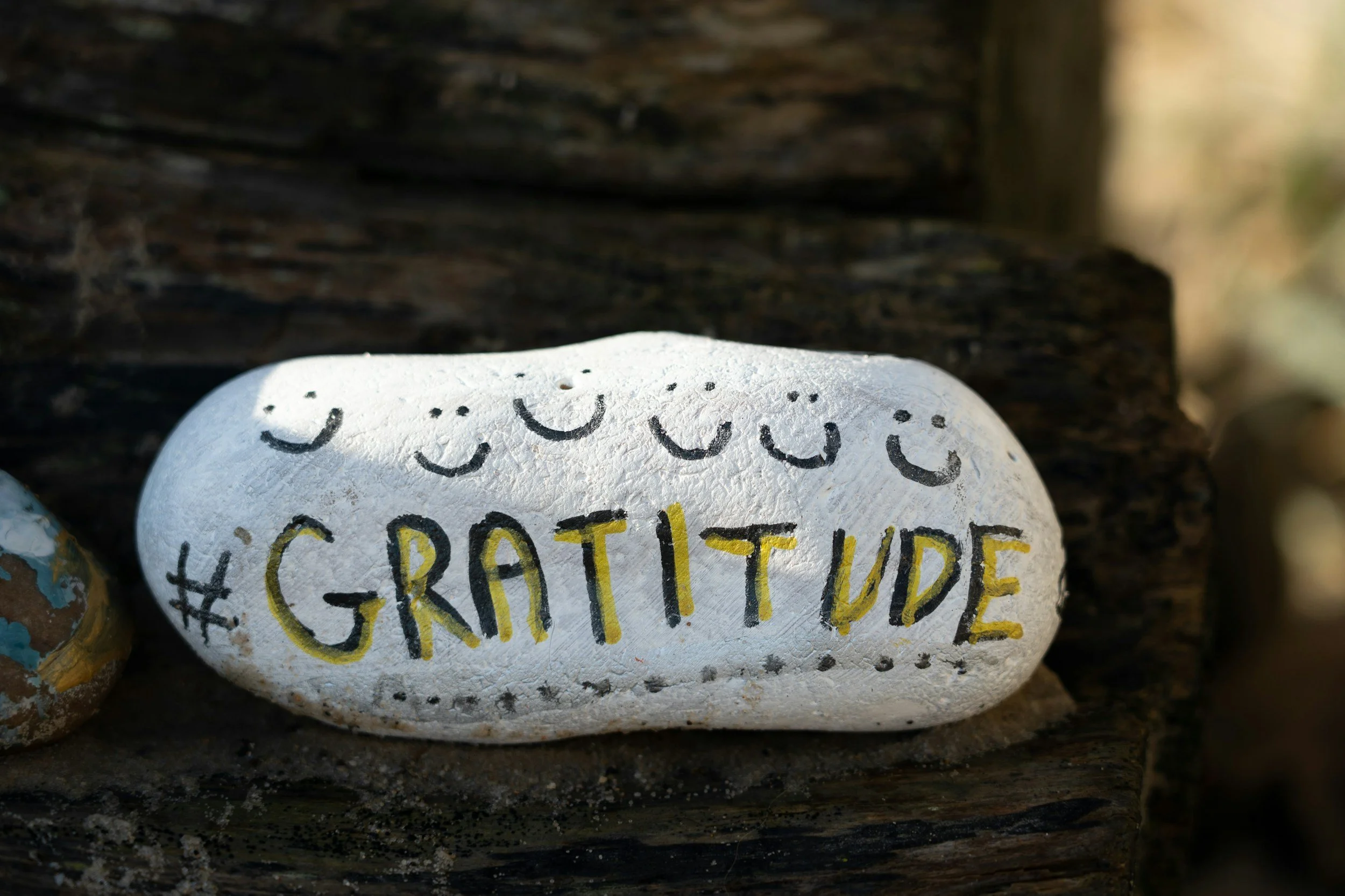
When life feels overwhelming, gratitude can sound like one of those “good vibes only” platitudes that just don’t land. But in reality, gratitude is less about toxic positivity—and more about emotional grounding.

It’s a shift in perspective that helps you anchor yourself in what’s working, even when everything else feels heavy.
Gratitude isn’t about ignoring pain or pretending everything’s fine. It’s about noticing small moments of support, beauty, or relief—especially when your nervous system is screaming for safety.

And here’s the best part: gratitude isn’t just a mindset. It’s a practice that can physiologically shift your mood, your stress levels, and even your sense of emotional stability.
Why Gratitude Improves Mental Health
💭 It Rewires Your Brain
When you focus on appreciation, your brain releases dopamine and serotonin—the feel-good neurotransmitters linked to happiness and well-being. Over time, this strengthens the neural pathways that make it easier to notice positives rather than dwell on stress.Basically, gratitude trains your brain to stop scanning for danger and start scanning for peace.💗 It Reduces Stress and Anxiety
Gratitude activates the parasympathetic nervous system—the part responsible for rest and calm. This helps lower cortisol (the stress hormone), regulate your heart rate, and create a sense of safety in your body.If you struggle with anxiety, gratitude acts like a grounding tool that helps your body and brain remember that you’re not in danger right now.🕊️ It Promotes Emotional Resilience
When life feels uncertain, gratitude builds inner stability. By naming what’s still good or supportive, you strengthen your ability to cope and adapt without falling into hopelessness or overwhelm.In short: gratitude doesn’t erase your pain—it gives you something to hold onto through it.Simple Ways to Practice Gratitude Every Day
Practicing gratitude doesn’t have to look like writing essays in a journal (unless you want it to). The key is to make it simple, consistent, and genuine.Here are a few ways to make it part of your daily rhythm:🌅 1. Morning Grounding
Before you grab your phone, pause and name three things you’re grateful for—they can be small. The smell of coffee. A cozy blanket. A text from a friend. This anchors your nervous system before the day even begins.🪞 2. Gratitude Mirror Practice
Each morning or night, look at yourself in the mirror and name one thing you appreciate about you. Not what you’ve accomplished—but who you are.✍🏽 3. Keep a Gratitude Note in Your Phone
Throughout the day, jot down moments that make you smile or feel safe. Over time, this becomes a collection of evidence that life holds more good than your anxious brain lets you see.🤎 4. Express It Out Loud
Tell people when you appreciate them. A simple, “Hey, I just wanted to say I really value you,” not only strengthens relationships but reinforces your own emotional connection.🌿 5. Ground in Sensation
If gratitude feels abstract, make it sensory. Notice the warmth of your mug, the way sunlight hits your wall, the feeling of your breath when you finally pause. Gratitude lives in your body as much as your thoughts.Remember—gratitude doesn’t need to be profound to be powerful. Small, consistent moments add up.How Therapy Can Support a Gratitude Practice
Sometimes gratitude feels out of reach. Especially if you’ve spent years in survival mode, burnout, or emotional neglect.That’s where therapy can help.In therapy, you can explore the barriers that make it hard to access gratitude—like:Chronic self-criticism (“I don’t deserve to rest.”)Emotional numbness from trauma or burnoutFeeling unsafe slowing downFear of vulnerability or disappointment
Therapy offers a space to gently rebuild emotional safety so gratitude becomes possible again—not forced.Through modalities like EMDR, IFS, or somatic therapy, you learn how to reconnect with your body, regulate anxiety, and access genuine appreciation without bypassing your pain.Gratitude then becomes more than a mental exercise—it becomes a felt sense of peace.When Gratitude Feels Hard
Here’s the truth: you don’t have to feel grateful all the time to be doing it “right.”When you’re grieving, anxious, or exhausted, gratitude might feel fake or forced. That’s okay. You’re not failing. You’re human.Instead of pressure, approach gratitude as a slow practice of noticing—one small moment at a time. Even in dark seasons, there are flickers of light: a kind word, a breath of fresh air, a song that hits differently.The goal isn’t to silence your pain—it’s to remember that beauty and struggle can coexist.Over time, this gentle awareness rewires your emotional landscape from survival to safety, from scarcity to enoughness.💛 Reconnecting With Joy Through Gratitude
If you’ve been running on autopilot, gratitude might be your nervous system’s way back home.It’s a small practice with big impact—a way to slow down, reorient toward safety, and remember that joy isn’t gone; it’s just waiting beneath the noise.📍 In-person intensives in Gilbert, AZ 👉🏽 Schedule your free 15-minute consultation - let explore how therapy for emotional wellness can help you build a gratitude practice that feels authentic, grounded, and sustainable.🤎🌿✨
About the author
Karla Storey is a licensed trauma therapist based in Gilbert, Arizona and the founder of Anthology Collective. She specializes in helping high-achieving women heal from emotional neglect, perfectionism, and hyper-independence using EMDR, somatic therapy, and parts work. Karla offers both weekly sessions and EMDR intensives for clients who are ready to stop performing and start feeling. Her approach is warm, real, and rooted in lived experience – because she’s done the healing work too.