Recovering from Family Rejection and Emotional Shame
TL;DR
Family rejection doesn't always look like being kicked out of the house.
Sometimes it looks like:
Feeling like you had to earn love.Being criticized more than encouraged.Learning to hide parts of yourself to stay connected.Feeling emotionally invisible.Being shamed for your emotions, identity, or beliefs.
For others, these wounds come from religious communities where love felt conditional, questions weren't welcomed, or belonging depended on obedience.
These experiences can leave lasting impacts on your nervous system, self-worth, and relationships long after you've left the environment. This post explores why family rejection and emotional shame are so painful, how they shape your adult life, and how trauma-informed therapy helps you rebuild a sense of safety, identity, and self-trust.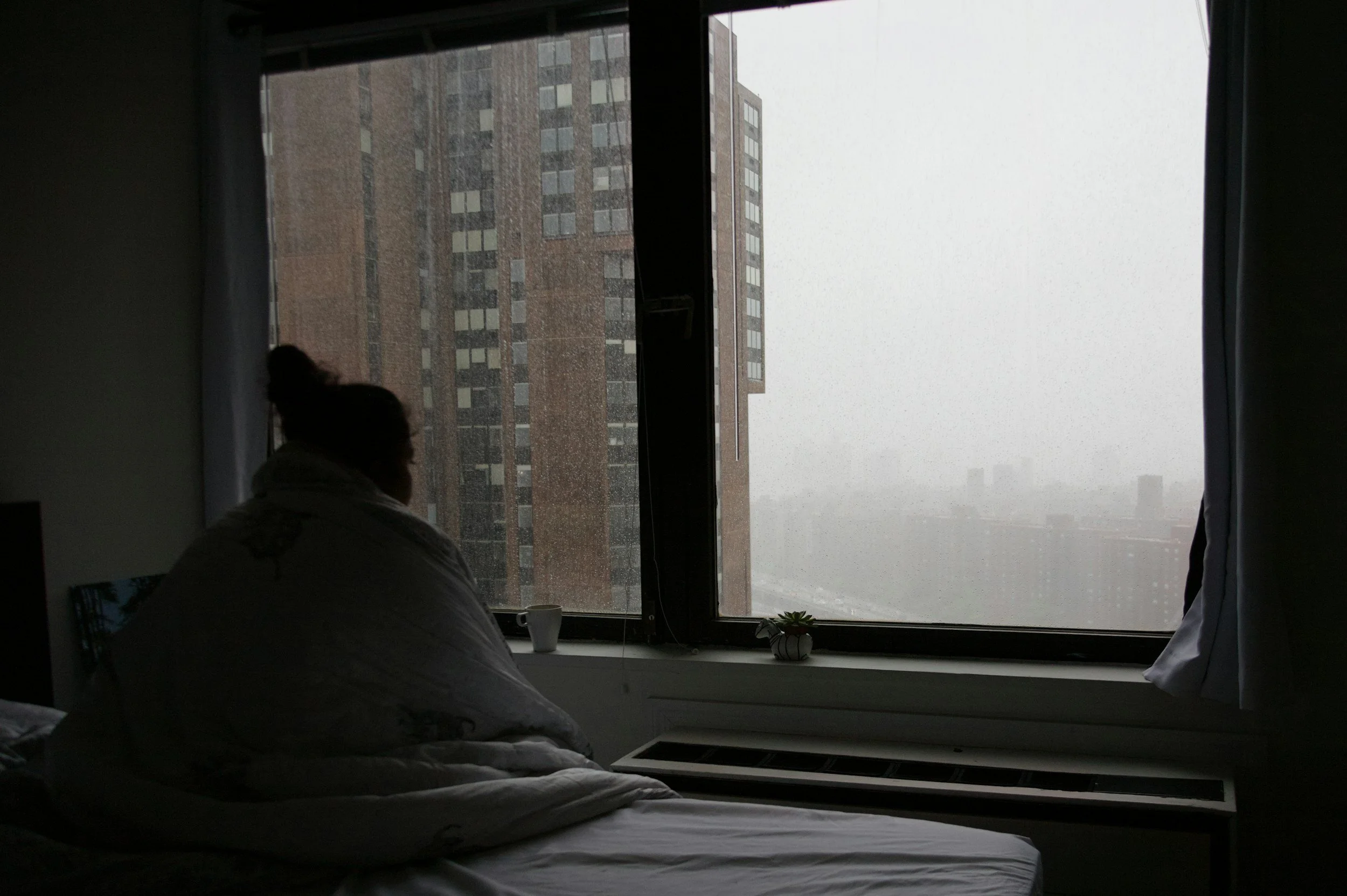
🌿 “Why Does It Still Hurt After All These Years?"
One of the most painful things about family rejection is that people often expect you to simply "move on."
Maybe you've heard:
"They're still your family.""Just forgive them.""That happened years ago.""You only get one family."While those comments may be well-intentioned, they often overlook something important:
The people who were supposed to feel the safest are often the people whose rejection hurts the most.
Whether the rejection came from parents, siblings, extended family, or a religious community, losing a sense of belonging can deeply affect how you see yourself and the world around you.If you've ever questioned your worth because of how you were treated, you're not alone.
And you're not "too sensitive."You're responding to a very real attachment wound.
🧠 Why Family Rejection Hurts So Deeply
As human beings, we're wired for connection.
From the moment we're born, our nervous system depends on relationships for safety, comfort, and survival.When those relationships become a source of rejection, criticism, emotional neglect, or shame, it doesn't just hurt emotionally.
It affects the way your nervous system learns to experience the world.You may begin to believe:
Love has to be earned.I'm too much.I'm not enough.If people really know me, they'll leave.My needs are a burden.I have to change who I am to belong.
These beliefs aren't signs that something is wrong with you.
They're adaptations to environments where emotional safety felt uncertain.
🌊 Religious Trauma Can Leave Similar Wounds
For some people, rejection isn't limited to family.
It comes from religious environments where acceptance felt conditional.Maybe you were taught that questioning was dangerous.
Maybe shame was used as motivation.Maybe your identity, emotions, or life experiences weren't welcomed.
Maybe you felt loved only when you followed certain expectations.Not every faith community creates trauma.
But when spirituality becomes connected to fear, shame, rejection, or control, it can leave lasting emotional wounds.Many people carry these experiences for years without realizing how deeply they've shaped their relationship with themselves.
⚡ How Rejection Impacts the Nervous System
Family rejection isn't something you simply "get over."Because rejection doesn't just affect your thoughts.
It affects your nervous system.When belonging feels uncertain, your body often adapts by becoming more vigilant.
You may find yourself:
Constantly scanning for signs that people are upset with you.Feeling anxious when someone seems distant.Working hard to avoid disappointing others.Struggling to trust compliments or kindness.Feeling like you always have to prove your worth.
Your nervous system learns to prioritize protection over connection.
That isn't weakness.
It's survival.
💔 Common Long-Term Effects of Family Rejection
These early experiences often continue showing up long into adulthood.You might notice:
🫶 People-Pleasing
Keeping others happy feels safer than risking rejection.😰 Fear of Being Fully Seen
You hide parts of yourself because authenticity once felt unsafe.
🧠 Chronic Self-Criticism
The critical voice you grew up around becomes the one inside your own head.🌫️ Difficulty Trusting Others
Even healthy relationships can feel uncomfortable when your nervous system expects rejection.
🪫 Perfectionism
You believe if you can just do everything "right," maybe you'll finally feel accepted.⚡ Feeling Like You Don't Belong Anywhere
Even in safe environments, you carry the feeling that you're somehow different or don't quite fit.
These aren't personality flaws.They're often protective strategies that once helped you survive.
🌱 Why "Moving On" Doesn't Usually Work
Many people try to heal by telling themselves:
"It wasn't that bad.""Other people had it worse.""I should be over this by now."But minimizing your pain doesn't heal it.
It usually creates more shame.
Healing begins when you stop asking whether your pain was "bad enough" and start asking how it affected you.Because your nervous system doesn't measure trauma by comparison.
It measures safety.
🧠 How Therapy Helps You Heal
Healing from family rejection isn't about pretending the past didn't happen.
It's about helping your mind and body experience something different.Trauma-informed therapy helps clients:
🌊 Regulate the Nervous System
Reducing the constant sense of vigilance that rejection can create.💛 Process Emotional Pain
Making space for grief, anger, sadness, and disappointment that may have never been acknowledged.
🌿 Rebuild Self-Compassion
Learning to speak to yourself differently than the voices that once criticized or rejected you.🫶 Explore Identity
Separating who you truly are from the roles, expectations, or shame you were taught to carry.
🌱 Develop Self-Trust
Learning to believe your own experiences instead of constantly questioning them.🔥 How EMDR and Therapy Intensives Support Deeper Healing
Many clients understand that their family experiences affected them.What they struggle with is how deeply those experiences still live in their bodies.
Approaches like EMDR therapy, somatic therapy, and therapy intensives help clients process emotional memories that continue influencing the present.Rather than simply talking about rejection, these approaches help the nervous system update old experiences and create new feelings of safety.
Healing isn't about erasing your past.It's about helping your body realize it no longer has to live there.
💛 You Are Not Defined by How You Were Treated
One of the most painful effects of family rejection is that people often begin believing the rejection says something about who they are.
It doesn't.
Someone else's inability to love you well does not determine your worth.Someone else's criticism does not become your identity.Someone else's rejection does not make you unlovable.Healing is the process of separating your identity from the messages you were forced to carry.
🌿 You Deserve Relationships Where You Don't Have to Earn Belonging
Whether your wounds came from family, religion, or another important community, you deserve relationships where you don't have to hide, perform, or prove your worth.Healing won't change what happened.
But it can change how deeply those experiences continue to shape your life.✨ Ready to begin healing from family rejection and emotional shame?
👉🏽 Schedule your free 15-minute consultation to explore trauma-informed therapy, EMDR, or therapy intensives in Gilbert, Arizona and begin rebuilding the emotional safety, self-trust, and connection you deserve.
📍 In-person intensives in Gilbert, AZ 🤎🌿✨
About the author
Karla Storey is a licensed trauma therapist based in Gilbert, Arizona and the founder of Anthology Collective. She specializes in helping high-achieving women heal from emotional neglect, perfectionism, and hyper-independence using EMDR, somatic therapy, and parts work. Karla offers both weekly sessions and EMDR intensives for clients who are ready to stop performing and start feeling. Her approach is warm, real, and rooted in lived experience – because she’s done the healing work too.